
Hansei-kai

The haters said I couldn’t do it. And they were right. Honestly, great call by the haters.

Stairs up, elevator down.

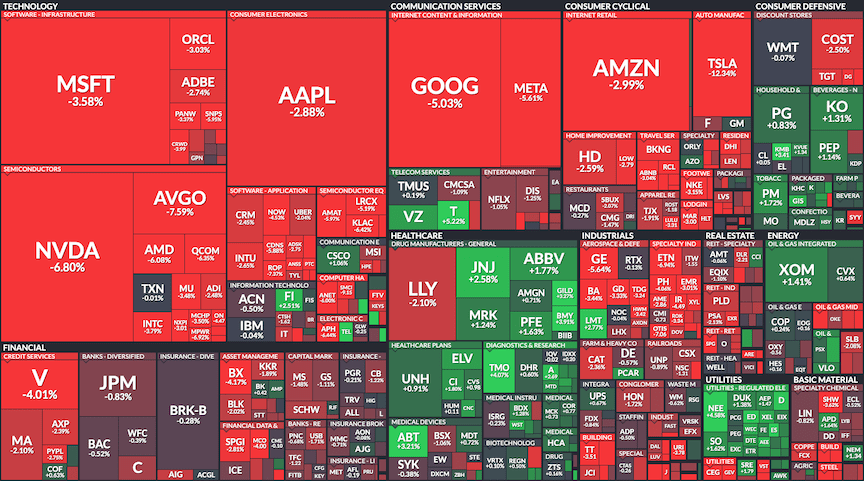
If you have been diligently investing in stocks these last few years, especially Japanese stocks, you are probably not feeling too great right now. You are probably feeling a little sick in the stomach. And maybe a bit stupid. I’m here to tell you it’s alright to feel bad for a while but don’t beat yourself up too much. Nobody saw a crash like this coming. Hell, the day the BOJ raised rates, the market went up! Don’t listen to the smart-asses who tell you they knew this would happen and traded it perfectly – most of them didn’t even have any skin in the game.

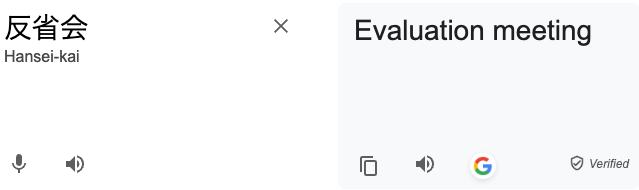
However, if you are going to take a beating in the markets, you better learn something from it. Otherwise, it really was all for nothing. Welcome to the Hansei-kai.

The Google translation is kind of cute. Whenever I hear this word actually used, it’s more like: ‘We screwed up, now we have to examine why and drown our sorrows’. Maybe it’s just the company I keep!

The purpose of this post is not to bore you with another deep-dive analysis of the unwinding of the yen carry trade. You have probably had enough of that already and there are people more qualified to talk about it than me. The idea is to try and learn something from the experience that will be helpful in the future.

There are always signs!

I haven’t lost my shirt in this crash and I hope you haven’t either. However, I was sitting on some rather profitable satellite positions, mostly in Japanese stocks, and I was thinking about selling some of them. I know this because I wrote about it just six weeks ago in Are we shaking?

What’s worse, I had figured out that if anything was going to derail the Japanese equity bull market, it would be the Bank of Japan. I know this because I wrote about it in January: 2024 – Here goes nothing!

The call was coming from inside the house!

Aren’t I the clever one! I had it all figured out and I didn’t sell.

I am a regular viewer of the Nikkei News Next program on BS TV Tokyo. These last few months, I couldn’t shake this nagging impression of hubris as the presenters and guests lauded the performance of the Japanese stock market and talked about the prospects of the BOJ raising rates like it would be just another positive. Don’t get me wrong, it’s a serious news program asking the right questions, but my feeling was that they were a little too caught up in the hype.

And I didn’t sell!

Ok, ok. I said we weren’t going to beat ourselves up. But you get the picture. The signs were there. And of course, they are a hundred times more obvious in hindsight. I’m not even that mad at myself. I never had any intention of touching my core investments and I have dry powder at the ready to allocate once the panic subsides. My point is that if your gut is telling you something, maybe you should listen to it.

Sell euphoria. Sell euphoria. Sell euphoria. I’m not going to get the tattoo but it has been imprinted on my brain.

What happens next?

After the Hansei-kai, it’s time to move forward. It’s still a little early for me to think about how to allocate money. US futures are down bad and it’s probably going to be a long week. I don’t feel the need to dive in immediately and any stocks I buy will be with a minimum 5-year timeframe. I’m a lot better at buying fear than I am at selling euphoria!

So, more on that at a later date. For now, go easy on yourself, learn the lessons and get ready to step up to the next level.

And f**k the BOJ lol!!!

Disclaimer: This should go without saying, but the information contained in this blog is not investment advice, or an incentive to invest, and should not be considered as such. This is for information only.
Buckle up!

It’s the 1st of August. The two big central bank decisions are behind us and summer is in full swing. So what comes next? Where will markets be at the end of this year? Nobody knows the answer to that question but I can almost guarantee you one thing: there is turbulence ahead.

Just like Japanese summer, the volatility already got started in July. However, we seem to have entered a new phase and central banks are the main drivers of the momentum shift.

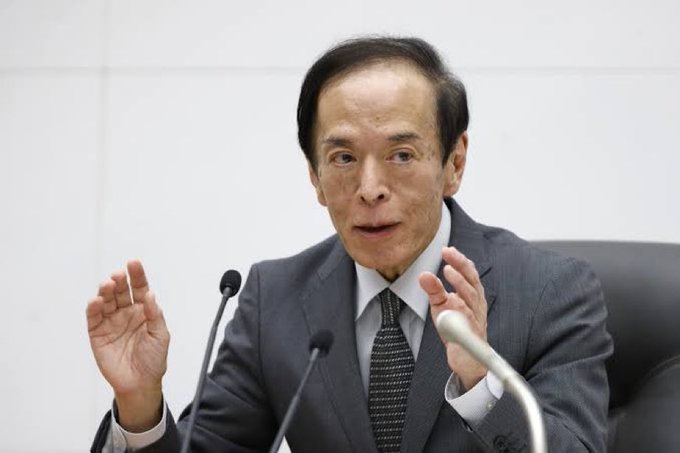
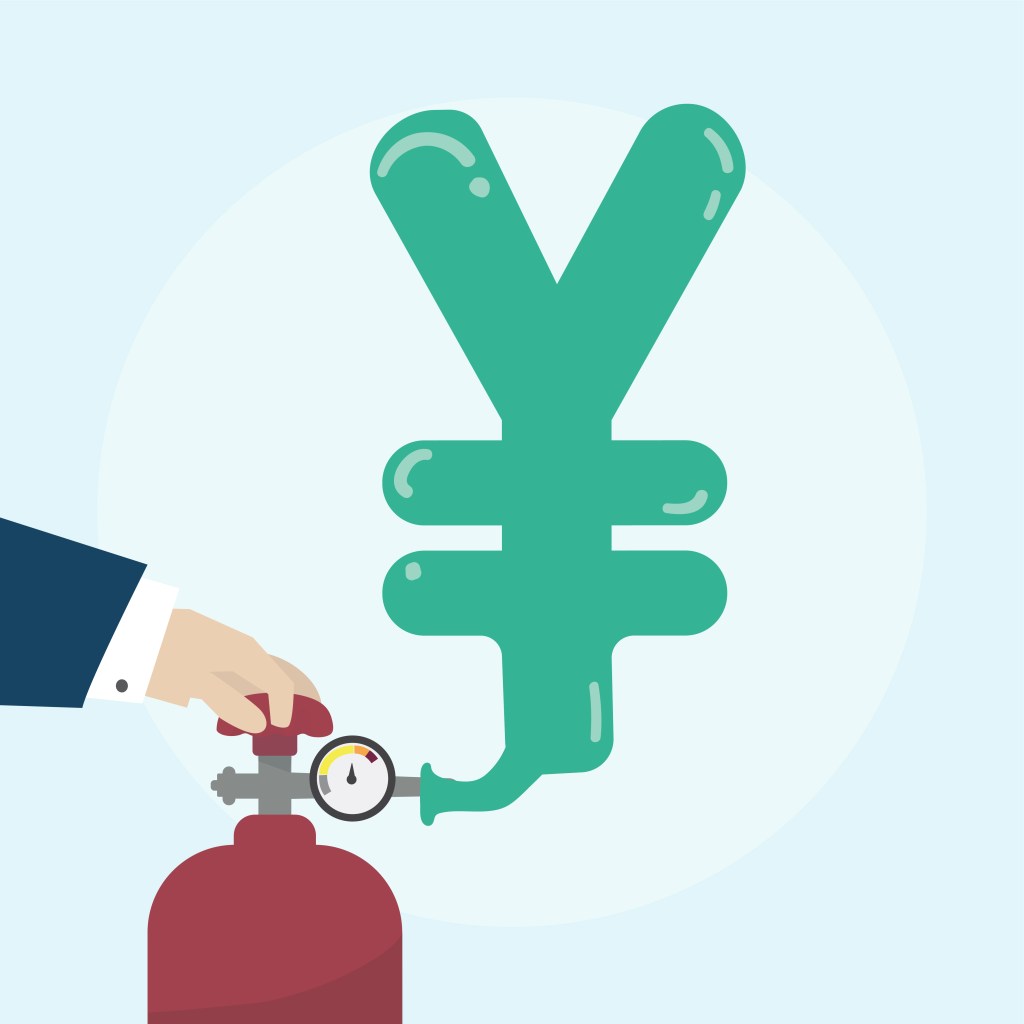
Having hiked rates to levels unseen in 15 years, there is little doubt that the BOJ has entered a tightening cycle. Governor Ueda did not rule out another hike this year and the yen responded quickly to his comments, rising to 150 against the dollar. Today it is trading at around 149. Weston Nakamura sees 152 as the most important price level in global macro right now and we are already well beyond it.

Japanese stocks reacted positively to yesterday’s decision, pumping across the board. However, the Nikkei 225 index slumped -2.5% today as exporters felt the pinch of a stronger yen.

US tech investors rotate into small caps

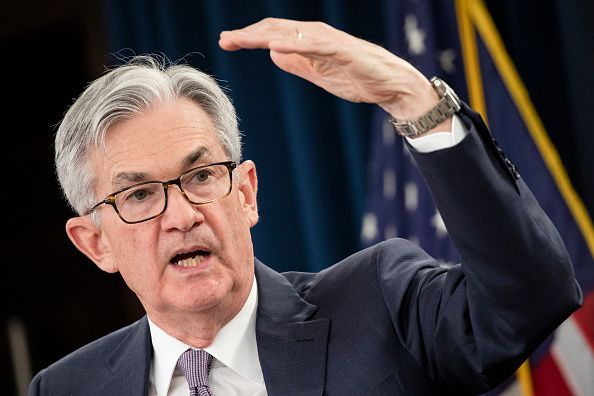
In the US, Fed chair Powell left rates unchanged while hinting that he is getting closer to a cut. The market fully expects this to happen in September and there will be visible disappointment in people’s brokerage accounts if it doesn’t. Volatility is already rearing its head. Tech stocks have sold off over the past month amid fears that the AI bubble might be bursting. Nvidia has been trending down from its 6 June high of $140.76 and a -7% dump on 29 July seemed ominous, but last night it pumped +12.7% after AMD’s better-than-expected earnings release. Go figure…

Hats off to strategist Tom Lee for calling the rotation into small caps. IWM has been the main beneficiary of the tech selloff.

The crypto coaster rolls on

Not to be outdone by chipmakers, crypto remains unpredictable over short time frames. At the Bitcoin conference in Nashville last week, none other than Donald Trump showed up to play to the crowd. His list of “promises” included: keeping the Bitcoin the US government has seized as a strategic reserve, (yes, wow!) firing Gary Gensler on day 1, ending the democrat’s war on crypto and making the US a leader in mining.

The air quotes around “promises” don’t need much explanation. Trump has zero interest in crypto and is plainly exploiting the dem’s antagonistic stance toward the industry for votes. But don’t let that distract you from the bigger picture: governments are examining Bitcoin as a strategic hedge against their own money-printing excess. The fact that this conversation is even happening is remarkable. Bitcoin game theory is going to get very interesting in the months and years ahead.

Bitcoin is back in the $64,000 range today, as it appears that the Biden/Harris camp may be selling off the reserve that Trump promised to keep. It’s never boring. See my Bitcoin bull market update for more.

Meanwhile, investors in Japan received a lesson in FOMO from Bitcoin proxy Metaplanet Inc. this week. Shares went on a tear after the company announced its Bitcoin treasury strategy in April and many people piled in late. Now the stock is coming back down to earth with a bang as the excitement wears off. Shares are down over -70% from their 24 July high and the move down doesn’t look done yet. Of course, every man and his dog wanted the stock when it was skyrocketing and nobody is interested now. There’s a clear lesson there. That said, I wouldn’t be surprised if Metaplanet makes another run if/when Bitcoin makes a decisive break above its previous all-time high and enters the parabolic phase of the cycle. Timing is everything in narrative-driven trades.

So, what to do?

I have noticed an uptick in clients trying to position and trade some of these macro moves, particularly the USD/JPY angle. The problem with access to unlimited information, content and opinion is the urge to react to it and do something. So here’s my two cents:

The summer, and perhaps the rest of the year, will see some turbulence. Volatility goes both up and down. Overall, the backdrop keeps me optimistic. Rate cuts in the US are coming – it’s just a question of when. As things currently stand, it would not be a panic cut, which is constructive for risk assets. US stocks, gold and crypto should react accordingly. Regardless of who wins, the US election will remove a lot of uncertainty. If you are broadly diversified, you could do a lot worse than fastening your seatbelt and taking a nap for a while.

If the BOJ is tightening and the Fed is loosening, the yen should continue to strengthen. This is going to put some strain on export-related Japanese stocks and the market as a whole looks more unpredictable than the US. Governor Ueda said he doesn’t think the rate hike will damage the Japanese economy. He’s probably right for now, but let’s see what kind of toll a series of hikes will take. The last time the BOJ tried to hike was 2007/2008 and that move was reversed in a hurry…

If you have been waiting for your chance to escape JPY and get into your base currency, that window is opening. Don’t miss it – long term it does not look good for the yen.

Stay hydrated folks!

Disclaimer: This should go without saying, but the information contained in this blog is not investment advice, or an incentive to invest, and should not be considered as such. This is for information only.
Gradually, then suddenly

After showing signs of wobbling the last few weeks, US markets slumped on 24 July with big tech shares leading the move down. Tesla Inc (TSLA) fell -12.3% after a Q2 earnings miss while Alphabet Inc (GOOGL) dropped -5% despite beating earnings expectations. That was enough to trigger an avalanche and the NASDAQ ended -3.6% lower and the S&P 500 endured its worst day since 15 December 2022, falling -2.2%.

Correction territory

Japanese shares followed the US market down, with the Nikkei 225 index falling -3.3% today as exporters laboured under a strengthening yen. The benchmark index peaked on 11 July at ¥42,426 and has trended downwards since then. It turns out that I wasn’t imagining things when I asked Are we shaking? at the end of June.

Investors will now be wondering if this is simply a healthy correction after a big run-up or the start of a larger move downwards. It is too early to begin talking about a bear market but we are certainly in correction territory. A correction is defined as a fall of -10% from a recent high and the Nikkei closed today down -10.7% from the 11 July peak.

At 3pm today, USD/JPY was trading at ¥152.7. The current rebound in the yen is being driven by expectations that the Bank of Japan will raise rates at its policy meeting next week. In addition, the US Federal Reserve appears to be moving in the direction of rate cuts starting in September. A sustained sell-off in stocks may well need confirmation of rate cuts in order to stabilise.

Semiconductor stocks fall hard, Lawson delisted

Semiconductor-related stocks are bearing the brunt of the current selloff with Disco Corporation (6146) falling for seven straight days. Disco fell a further -4% today to close at ¥46,850, well off its peak of ¥68,850 set on 11 July.

In other news, convenience store operator Lawson Inc. was delisted from the TSE on 24 July following a successful tender offer from KDDI Corp. KDDI will partner with Lawson’s parent company, Mitsubishi Corp to take the company private.

A stock to watch

Crypto followed the trend in traditional markets with Bitcoin falling to around the $64,200 mark. Ethereum is down around -8% despite the successful launch of the Ethereum ETFs in the US on 23 July. 

Meanwhile, Japanese Bitcoin proxy Metaplanet Inc. (3350) has been on a wild ride. The stock has risen more than +1,100% since the company announced its Bitcoin treasury strategy in early April. However, the FOMO really kicked in this week with shares accelerating to ¥300 on 24 July. Metaplanet is back trading around ¥220 today but is still a stock to watch as investors try to front-run the potential decisive break of Bitcoin’s all-time high in the coming months. 

It seems likely that traders view Metaplanet as a tax-efficient way to gain exposure to Bitcoin price moves. Crypto in Japan is taxed as miscellaneous income, whereas stocks are taxed as capital gains.

Disclaimer: This should go without saying, but the information contained in this blog is not investment advice, or an incentive to invest, and should not be considered as such. This is for information only.

We’re so back!

The all-time highs keep coming. On Monday 9 July, the Nikkei 225 index made its highest ever close at ¥41,580.17. Semiconductor-related stocks led the way, while other notable movers included Hitachi Ltd (6501) and Fujikura Ltd (5803).

Not to be outdone, the S&P 500 and NASDAQ Composite also closed at record highs on 9 July. Gains were heavily weighted to big tech stocks as the AI narrative continues to drive market sentiment. Fed Chair Jerome Powell stuck to the script during his first day of testimony, reiterating that the Fed’s objective is to cool the economy and progress towards the 2% inflation target without cooling it too much. Market consensus continues to favour a soft landing scenario, with one or two rate cuts expected later this year. CPI data is due on Thursday and if that comes in line with expectations, the positive mood should continue.

Meanwhile, Tesla Inc (TSLA) continued its rebound, closing higher for the 10th consecutive day.

Japan’s real wages fall again, BOJ discussing cuts in bond purchases

Despite the good times in the stock market, much of Japan’s economy still looks relatively weak. Real wages fell by 1.4% in May, marking a record 26th month in decline. Wages are actually rising at the fastest pace in 31 years, but the increases are being offset by inflation, meaning households have less purchasing power.

USD/JPY is trading around ¥161.47 with no end to yen weakness in sight.

This week sees the Bank of Japan meeting with major market players to discuss the tapering of the central bank’s bond purchases. Some market participants are calling on the BOJ to cut bond purchases in half while others favour a more gradual reduction. The final plan is expected to be revealed at the BOJ’s end-of-July meeting.

Semiconductor shares remain strong, Hitachi and Fujikura impress

Chip stocks are once more powering ahead with Advantest Corp (6857) and Tokyo Electron Ltd (8035) gaining +4.1% and +3.8% respectively on 9 July. Chip materials maker Resonac Holdings Corp (4004) announced that it will form a consortium with nine other Japanese and US firms to collaborate on the development of semiconductor technologies for generative AI. Resonac shares surged +8.7% on the news.

Hitachi shares jumped +5.2% on reports that the company is increasingly focused on improving shareholder returns. On 2 July, the electronics giant provided an update on the progress of its buyback of up to 21 million shares at a cost of up to ¥200 billion. The company is targeting a total return ratio of around 50%, including dividends and buybacks – that would be on an expected net profit of 600 billion this fiscal year. Hitachi shares are up +89% year-to-date.

Another big mover was Fujikura Ltd, which jumped +11.4% on 9 July. Fujikura is an electrical equipment manufacturer that develops a range of telecommunication system products, including devices for optical fibres. It appears that Fujikura’s surge was spurred by a 12% move by Corning Inc (GLW) on 8 July after the company revised its sales forecast upward. Fujikura gained a little more today and is now up +228% in 2024.

Japanese stocks rose again today with the Nikkei 225 closing at another record high of ¥41,831.99. Financial stocks were up again on hopes that higher interest rates would bring improved profits. Mitsubishi UFJ Financial Group (8306) has gained over +8% in the past month and almost +50% year-to-date.

Bitcoin also bounced back from its current correction somewhat, moving from around $57,000 to $59,000 despite an increase in market supply from Mt Gox and the German government. Bitcoin ETF flows were positive again and traders eagerly await the SEC decision on Ethereum ETFs.

Disclaimer: This should go without saying, but the information contained in this blog is not investment advice, or an incentive to invest, and should not be considered as such. This is for information only.
Are we shaking?

Anyone who has lived in Japan for a while knows the feeling: a faint tremor, something moving in your peripherals, like the train next to yours slowly pulling away and you’re not sure which carriage is moving. You look up at your partner/friend/co-worker…

Are we shaking?

Earthquakes are not always so subtle of course. Sometimes that faint rumble becomes something bigger. And sometimes, it’s just a heavy truck passing by outside.

Did you feel that? Maybe it was just me? Of course, the market is not just one stock but, if you had to pick a name that has driven US markets to new highs this year, it would be Nvidia. Sure, your Apples and your Microsofts have been strong too, but nothing quite like this. And last week we finally saw a hint of weakness. It would hardly be the first dip this year – questions were asked in mid-February and again in mid-April. What we haven’t really seen is a broadening out of the stock rally into other industries. Charlie Bilello points out here that the top 5 holdings in the S&P 500 now make up 27% of the index, the highest concentration since 1980. He also notes here that the index’s P/E ratio moved above 25 last week, the highest level since Q1 2021.

So, the AI hype-driven tech boom (or is it a bubble?) is still the dominant narrative driving the US market. George Soros once said: ‘When I see a bubble forming, I rush to buy, adding fuel to the fire.’ This is precisely what less savvy investors do too. However, they are rarely as clever as Soros when it comes time to take profits and get out.

Pockets of recession

US economic data continues to come in better than expected. Certainly better than small businesses and low-income families are feeling at this point. To wildly misquote one of my favourite writers, William Gibson: ‘Recession is already here – it’s just not evenly distributed.’

This one-hour podcast with James Lavish is worth a listen if you want to get a better understanding of the impending US debt crisis. He talks about how pockets of recession are already forming, they just haven’t spread broadly across the economy yet.

Are Japanese stocks stalling?

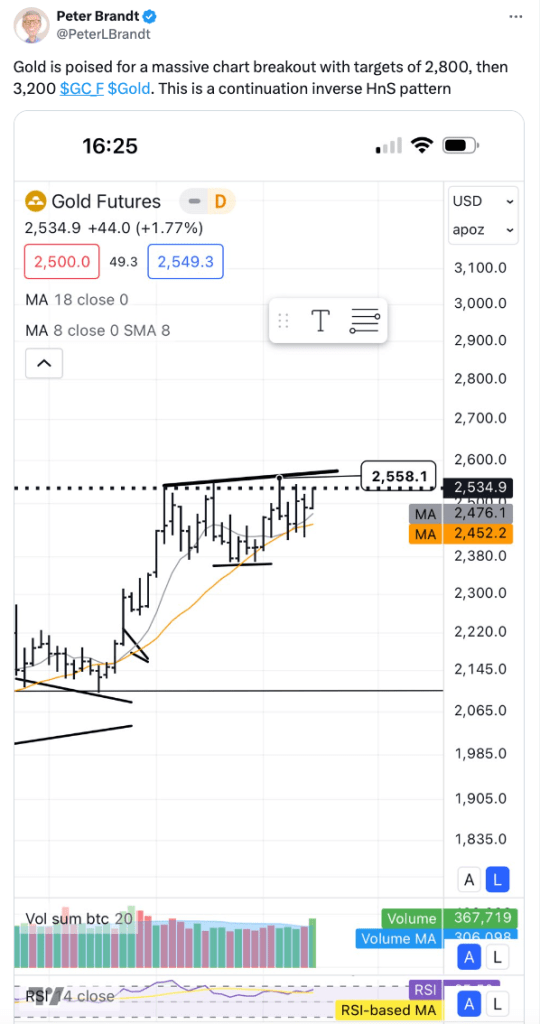
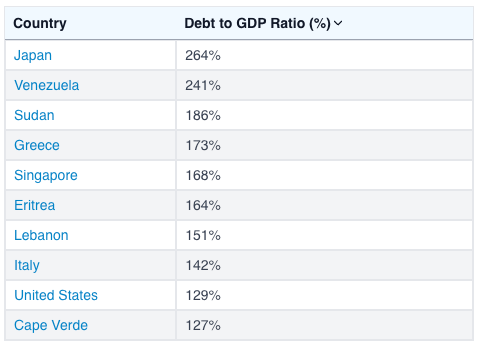
Speaking of debt crises, how is Japan doing? USD/JPY is creeping ever closer to the ¥160 level. Rubbing salt into the wound, the US has just put Japan back on the currency manipulator watch list. This could all be solved by the Bank of Japan raising rates in a hurry but it’s the debt that makes that rather difficult. Bad demographics, sky-high debt to GDP and a doomed currency – good thing we choose to live here for the harmony and the mild weather, desho?

After a fantastic run, there are signs that Japanese stocks are stalling too. (are we shaking?) Foreign investors, who played a significant role in driving the market to post-bubble highs, have largely been unloading in the last couple of weeks in the face of lacklustre economic data and persistent yen weakness. The Bank of Japan can no longer be relied on to buy ETFs on down days either. Stocks take the stairs up but they’re known to take the elevator back down…

Meanwhile, the Norinchukin Bank has gotten itself into quite a pickle. The fishers, farmers and foresters cooperative was long US treasuries and, trying to be sensible, it was currency hedged. That meant it endured the two-year rout in US bonds without any of the benefit of the strong dollar when converting holdings back into yen. As a result, it is having to fire sale around $60 billion of its $310 billion in foreign assets and eat the loss. I have preached for some time that currency is the biggest risk most investors don’t know they are taking, but I never considered getting burned like this by being currency hedged – ouch!!!

To sell or not to sell?

This is beginning to sound like a terribly negative post, but it’s really just a reflection of my thoughts about taking some profit and de-risking for a while. Just to be clear here, I am talking about adjusting tactical or satellite holdings. I don’t see any reason to make any changes to my long-term core investments. I own US tech stocks and a range of Japanese stocks in my core portfolio and am happy to keep them. However, I also own some of these same assets tactically – that’s to say I bought them at an opportune time with a shorter time frame in mind. Those are the ones I am getting tempted to sell.

Everyone is a genius in a bull market. You will notice though, that no one wants to tell you when to sell. Except maybe the macro doomers, but they’ve been telling you to sell the whole time markets have been rising, so let’s leave them out of this. For sure, it is smart not to fight the trend, and in US tech and Japanese equities, the trend has been unmistakably upward. There is also the fear of leaving money on the table and looking silly if markets pump after what turned out to be a minor correction.

However, we are talking tactical and that means buy low, sell high. If you are yen base currency and you bought US tech stocks a couple of years ago, not only have you made nice gains in the stocks, but the weak yen has boosted your profits significantly. You could be forgiven for cashing out back to yen and taking the win. The same can be said if you got trapped in yen and instead bought Japanese stocks to counter inflation and the market then went off to the races. That’s a nice win too, but you have to sell before you take the victory lap.

The big question is, supposing you sell, what do you do with the money next? If you are going to spend it on a sports car or a nice holiday, good for you! But if you still have to worry about keeping pace with inflation and currency debasement, you are going to have to find a suitable home for it. Sitting in cash for a few months and then catching a big drop in markets would be ideal, but we are not playing on easy mode here.

These are the thoughts I have on a Monday afternoon with the Nikkei up +0.5% to ¥38,804 and US stock futures looking steady. Perhaps I’ll just sit on this one for a while. Doing nothing is frequently the smartest play, but did you feel that? Maybe we are shaking?

Disclaimer: This should go without saying, but the information contained in this blog is not investment advice, or an incentive to invest, and should not be considered as such. This is for information only.