

I don’t cover property so much on this site, so today I’m happy to introduce a guest post from Jin’s Homes, a boutique real estate firm focused on the execution of short-term rental investments in Tokyo. The firm is led by Yoshihiro Jinzaki (“Jin”, Founder & CEO). Born and raised in Japan in an international environment, Jin is a native English speaker with a global mindset and a practical understanding of Japanese social norms, local expectations, and regulatory realities.
I met Jin at an event recently and had a really good chat with him. He’s friendly, engaging and is the perfect guide to Tokyo’s short-term rental market. I hope you enjoy this post:
Most professionals and investors in Japan consider property investment at some point – and then hesitate.
Financing conditions for investment properties are typically stricter than for primary residences. Compared to using a residential mortgage, investment loans often require higher equity and carry less favorable terms. At the same time, yields in Tokyo appear relatively low.
As a result, investors frequently look toward suburban areas in search of higher ROI.
But suburban investments come with their own concerns:
Will occupancy remain stable?
Will the asset hold its value long term?
Will resale liquidity be strong enough?
Faced with this trade-off, many potential investors ultimately decide not to invest at all.
A Different Approach: Short-Term Rental
One strategy that has gained increasing attention is licensed short-term rental (commonly known as minpaku).
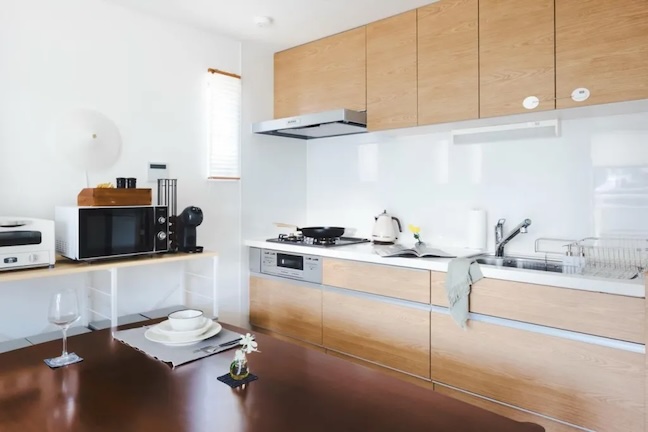
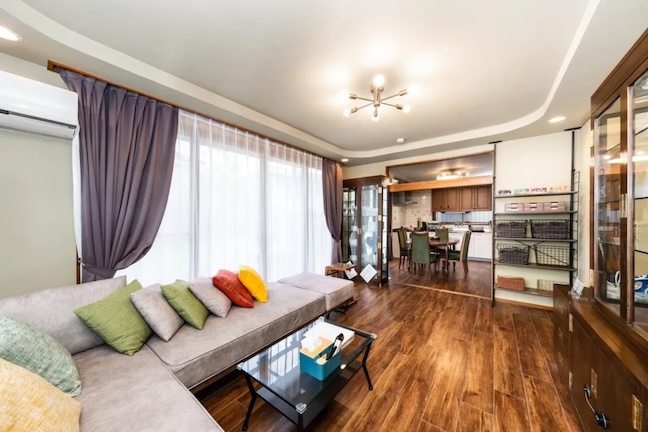
In Tokyo’s main residential and commuter areas – including both central wards and well-connected cities within the Greater Tokyo area – properly structured short-term rental properties can meaningfully outperform traditional long-term leases in net income terms – often in the range of 1.5–2x when structured correctly.
Because of this income profile, short-term rental has attracted attention not only from domestic investors but also overseas non-residents whose only option is to purchase in cash.
The appeal is straightforward: enhanced income potential within areas that still maintain strong asset stability.
A Tailwind: Tourism as a National Priority
Tourism is one of Japan’s strategic growth industries. The government continues to actively promote inbound travel, and international visitor numbers have reached record highs.
At the same time, developing large-scale hotels in major cities is capital-intensive and increasingly difficult due to land constraints and rising construction costs.
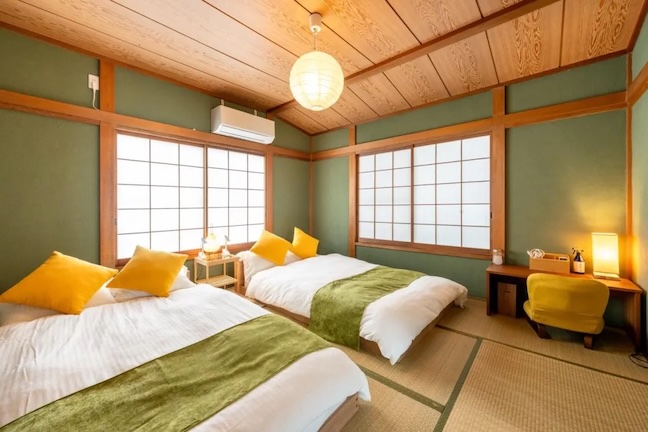
In that context, small-scale licensed accommodations – when compliant and professionally managed – play a complementary role in meeting demand.
This does not mean every property is suitable.
But it does suggest that well-positioned short-term rental assets are operating within a structurally supported market.
The Real Concerns
Of course, short-term rental is not without challenges.
Investors typically worry about three things:
- Can the property obtain the necessary licenses?
- Will the projected returns actually materialize – and allow the capital invested to be recovered as expected?
- Can the operation maintain good relationships with neighbors and remain stable long term?
In Japan, licensing requires coordination between multiple authorities – including the public health center, fire department, and building department. Each has its own standards, and approval must be obtained from all.
For those whose first language is not Japanese, navigating this process can be particularly complex.
Even after licensing, sustainable income depends heavily on professional setup, compliance discipline, and operational management. Poorly managed properties can damage both returns and community relationships.
Short-term rental is not simply about listing a property online.
It requires clear planning before purchase and disciplined management after launch.
A Turnkey Approach for Foreign Investors
For investors who prefer not to navigate the system alone, Jin’s Homes offers an integrated approach tailored to international clients.
Jin’s Homes works specifically with international investors, handling:
• Narrowing down viable property options based on licensing feasibility and projected profitability
• Pre-purchase regulatory consultation to reconfirm approval potential
• Bilingual brokerage and transaction support
• End-to-end project management covering permit acquisition, design, and launch
• Direct operational management and proactive neighborhood relationship building
We operate under a structured management framework designed to cover the full lifecycle of a short-term rental investment – from compliance to daily operations – allowing investors to remain focused on strategy rather than execution.
Since launch, every guest stay has been rated five stars – a measurable indicator of operational consistency.
Why Structure Matters
The difference between an average short-term rental and a strong, sustainable one often comes down to:
- Selecting the right property from the beginning
- Verifying licensing feasibility before purchase
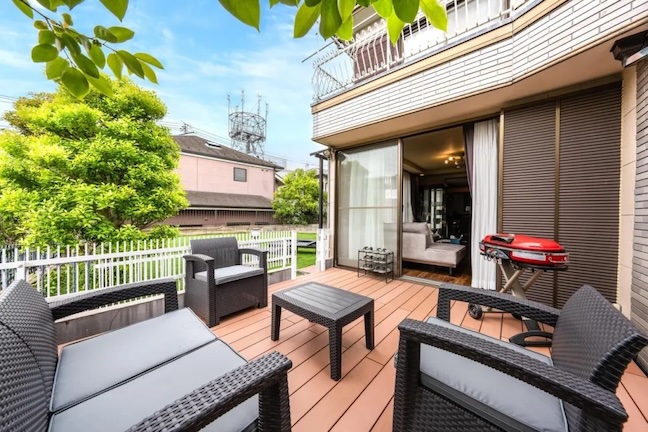
- Designing for the target guest demographic
- Maintaining proactive communication with neighbors
- Managing operations with professional standards
When these elements align, the income profile of Tokyo real estate can shift meaningfully – while still preserving the underlying stability of the asset.
If you are exploring whether this approach could fit into your broader property strategy, an initial feasibility discussion may help clarify what is realistically achievable before capital is committed.
An initial discussion can be scheduled here:
We write unique blogs on short-term rentals:
Disclaimer: This should go without saying, but the information contained in this blog is not investment advice, or an incentive to invest, and should not be considered as such. This is for information only.
 Smart Money Asia