Vibe investing – stock analysis with Peter Lynch and ChatGPT

The whole generative AI thing is pretty weird, but I think I’m starting to get it: Some people are using AI to generate torrents of slop. Other people are using it as a tool to learn and get stuff done. I want to be the latter and avoid the former as much as possible.

The thing I initially found LLMs to be useful for was taking a long, information-dense document, perhaps written in Japanese, and getting a nice, concise summary in English. In particular, I used it to read the earnings reports of companies I was interested in investing in. However, here’s the catch: I’m not a stock analyst. So, often, even with a nice summary, I couldn’t decide if a stock I liked was actually a good investment.

I recently got around to reading Peter Lynch’s excellent One Up On Wall Street. It’s a fabulous book, written for retail investors. If I were to really simplify the book’s content, it would be:

1) How to find great investment opportunities simply by looking around you and finding companies you already know offering products you love

2) How to analyse the company’s financial disclosures to figure out if it’s really a good investment

Of course, there is more to the book than that. But these two things alone made it a hugely worthwhile read.

Now, investing in individual stocks is not for everyone. It’s not even necessary. As I write this, the Nikkei 225 index just hit a new all-time high. It’s up almost +50% over the last two years alone. The S&P 500 is up almost as much over the same period. There is nothing wrong with just owning the index and spending your time doing something else. Just don’t make the “something else” generating AI slop posts on LinkedIn or whatever. Please…

Where am I going with this? Oh, yes. After reading the Peter Lynch book, I realised that I could use some of the techniques in there to identify stocks I’m interested in and then use some of the questions Lynch asks to get AI to help me better understand those companies’ earnings reports.

I’ll give you an example, which I may regret. But it’s a stock I actually bought recently using this method.

As I get older, I notice a lot of people around me are wearing spectacles. Some need them permanently, while others, like my wife, can no longer read what’s on their phone without them. Japan’s ageing population problem is well-documented. I guess a lot of these oldies need glasses. Perhaps that’s why there are glasses shops EVERYWHERE!

Like everywhere. Along busy roads, in department stores, in malls. There are tons of eyewear shops.

I often find myself perusing this Trading View list of Japanese stocks. I like how you can use the tabs to sort and view a list of stocks with the most cash or the highest dividend. A few weeks back, I was looking at the list of oversold stocks and I noticed JINS Holdings (3046). And yes, they sell spectacles. I was in one of their shops with my wife just the other day, and it was really busy. Their specs are high quality and low price. And their stock took a beating over the last few months.

So, I decided to see how Peter Lynch works with ChatGPT. I downloaded the latest company earnings report and fed it to the machine. Instead of just asking for a summary and trying to figure it out myself, I asked ChatGPT to provide a summary that focused on answering some Peter Lynch-style questions:

What’s the recent growth in earnings?

What’s the P/E ratio relative to historic levels?

What makes the stock a good buy now?

Are existing stores in profit?

Where’s the expansion coming from?

What’s the debt situation?

How will they finance growth without selling lots of new shares and diluting the earnings?

Are insiders buying?

How does the stock price look versus the earnings over the last 5 years?

What are the dividends, and have they always been paid?

What percentage of shares are owned by institutions?

I won’t post all of the answers I got here. You can try it yourself if you want to. Suffice to say that the information I got was way more useful than a plain summary of the earnings report.

Later, I also asked ChatGPT to search the web and try to identify possible reasons why the stock is down so much recently.

Asking it to give a web-sourced breakdown of the reasons why the stock might be down was deliberate. You’re not supposed to ask LLMs to think. That’s not what they do. In fact, I find that if you do ask them to think, they tend to go out of their way to confirm your bias and tell you whatever it is you want to hear.

So, anyway, long story short, I bought the stock on Xmas Day. It’s down -6.5% since then lol. And it’s down almost -4% today, a day where the Nikkei surged over 3% to another all-time high. (earnings miss haha!)

So, I may be an idiot. But it’s probably a little early to judge.

My point here isn’t so much about whether this approach works in this particular instance. I enjoy picking stocks, but am aware that I am weak when it comes to analysis. Asking good questions is a life skill that can be applied to many disciplines. Peter Lynch is very good at asking questions about company financials. And LLMs can answer those questions in seconds by reading the earnings report, leaving you with valuable time to do something else.

Don’t try this at home. Or do, but don’t blame me if it doesn’t work. The usual disclaimers apply. If you do try it, please let me know how it goes, what you learned and what other questions you came up with.

Let’s revisit JINS later this year and see how it works out. I’ll be trying more of this to get a larger sample size.

Disclaimer: This should go without saying, but the information contained in this blog is not investment advice, or an incentive to invest, and should not be considered as such. This is for information only.


Diversification the Ray Dalio Way

I recently listened to this excellent podcast with investor Ray Dalio and it once again struck me how, out of all the “investment gurus”, Dalio really preaches simple, actionable investing that us regular people can easily understand and implement.

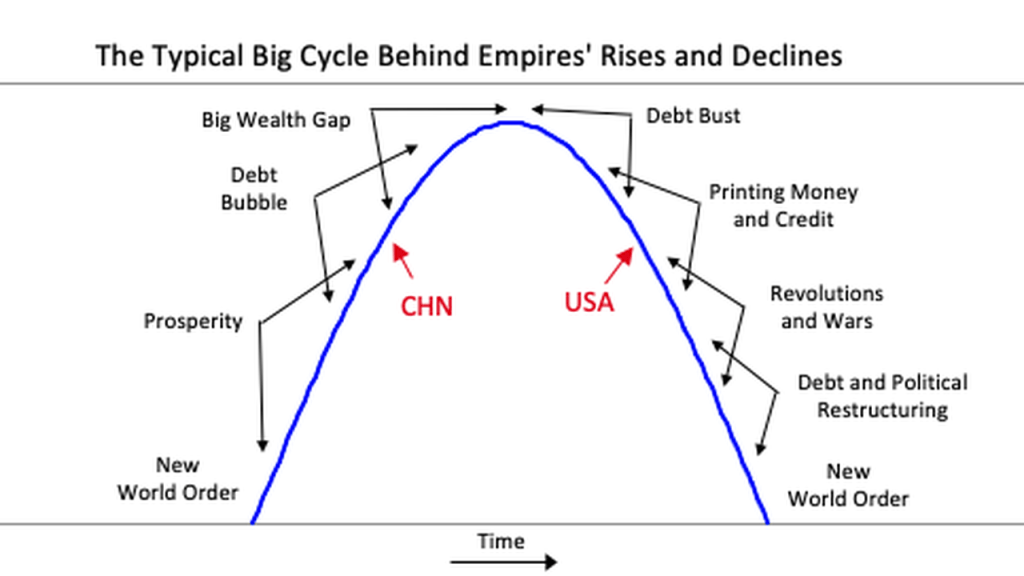
Dalio has just published a new book, which I haven’t read yet, but contains some eye-opening assessments of the decline of the United States, (30% probability of civil war in the next 10 years) and the rise of China. However, it’s the part covering how to invest in this turbulent environment that really caught my attention. Dalio sees the world economy approaching the end of a major cycle that could have dramatic repercussions for risk assets.

Here are some of the key points from the interview:

  • Don’t judge your wealth in nominal terms – i.e. how many dollars or yen you have. Judge it in terms of buying power. The ballooning of central bank debt has pumped up risk assets so people are feeling rich at the moment. However in real terms, inflation is eating away at your wealth.
  • Cash and bonds are a terrible investment in this inflationary environment. Both have negative real returns now, when measured against inflation.
  • Diversification is key. A diversified portfolio of assets should include inflation indexed bonds, stocks, and gold. Take a look at Dalio’s All Weather allocation to understand what a diversified portfolio should look like in an inflationary environment.
  • Don’t try to time the market yourself – that’s an extremely competitive game that even the pros struggle with.
  • Look for balance in your portfolio and make sure that once a year you rebalance back to your original weighting, effectively selling a portion of the assets that went up and investing them into the parts that went down.
  • Dalio is neither a raging bull or bear on Bitcoin and digital assets. He is impressed that Bitcoin has stayed around this long and been adopted so widely, and that means that some of the initial risks of hacking or replacement by a better asset have diminished. However there are risks that money in Bitcoin could flow to something else, and of course regulatory issues as the threat of a better (non-inflationary) currency is a perceived as a risk by governments who have outlawed gold and silver in the past. In all he says an allocation of 1-2% of your total portfolio to Bitcoin is about right.
  • Dalio also makes a great observation on the value of stock indexes, whereby all companies die at some point, but the index is refreshed as the old companies exit and new ones come in, so you don’t have to have your finger on the pulse continually. Simply buy the index and relax.

Just picking up on an important point here: Dalio talks about the negative returns on traditional government bonds, and suggests investing in inflation indexed bonds instead. These are often referred to as TIPS (Treasury Inflation Protected Securities) and seeing as some people may not know what they are here is the Investopedia definition. You are going to struggle to find these in a Japan-based account, but if you have a US account then the TIP ETF is a great way to get exposure. ITPS works for European accounts.

From my experience, I find that people who organise their own investments are often under-diversified. When you boil it down they are largely invested in global / US stock ETFs which all have a high concentration in the same major companies (mostly big tech). In the good times this allocation will perform perfectly well, but there is little protection there when markets take a turn for the worse. So if you are conducting your annual portfolio review as 2022 gets going, it would be a good time to consider if you are really properly diversified.

Disclaimer: This should go without saying, but the information contained in this blog is not investment advice, or an incentive to invest, and should not be considered as such. This is for information only.

Crypto Curious? You Should Be!

Wow what a week it has been in crypto! In case you weren’t paying attention, the guy whose company bought $1.5 billion in Bitcoin just a couple of months ago sent a flurry of tweets and crashed the market by 40%. Yes, Mr. Musk is not the the most popular person in cryptoland right now, and Tesla shareholders are probably not very impressed either. For people who just got into crypto this year, as the bull market picked up steam, it’s literally been a crash course in risk.

Despite this I have spent my free hours this week labouring over this post, the reason being that over the last 12 months or so I have come to the following conclusion:

If you are serious about building wealth and pursuing financial freedom, and you have not done so already, you need to educate yourself on cryptocurrency.

Notice that I’m not advising you to go out and buy XYZ coin today. I’m saying you need to study, understand the shift that is going on in this space, and act accordingly. Otherwise you could miss out on a world of opportunity.

So what do you need to get your head around? Here are a few things:

Adoption

A couple of surveys in the US have just published some interesting results. The first is Gemini’s State of Crypto 2021 report. (you can read a good summary of the report by Zerohedge here.) Then NYDIG carried out a similar survey, reported in Newsweek here. The Gemini survey of US based individual investors shows that 14% of Americans already own crypto. More interesting is that 63% of respondents are “crypto-curious”. This group are interested in learning more about crypto, with 13% considering adding crypto to their portfolios in the next year.

NYDIG estimate that some 46 million Americans own Bitcoin, and they found that many of these people would be happy to store their Bitcoin with their bank if the option was available. (see here) Banks are seeing the outflows to crypto exchanges like Coinbase and are waking up to the opportunity to offer Bitcoin and other crypto directly to customers.

We are also seeing rapid adoption in the developing world, particularly in countries like Venezuela where the economy has been poorly managed, resulting in a severely devalued local currency.

Institutional Adoption

The 2017 bull market was peppered with whispers that “the institutions are coming”. Well in 2021 they are slowly arriving. There are currently 8 filings for a Bitcoin ETF sitting with the SEC in the US, and it looks like it is only a matter of time before the first one is approved. (Canada already approved a BTC ETF) In the meantime, Grayscale’s cryptocurrency-based trusts are nearing $50 billion in assets under management!

Morgan Stanley are launching access to three funds which enable ownership of Bitcoin for their wealthiest clients. Goldman Sachs are preparing to offer clients access to digital assets from this quarter. Insurance companies are starting to invest. Hedge funds and wealthy family offices are involved. Guggenhiem Partners, who manage over $230 billion in assets, have a sizeable position in the Grayscale Bitcoin Trust, as do Ark Funds.

A growing number of publicly traded companies are now allocating part of their cash reserves to Bitcoin, and yes, at least at time of writing, Tesla is still one of them.

Inflation fears

Bitcoin is seriously starting to rival gold as the ultimate hedge against inflation. And following over a decade of money printing and quantitive easing in response to the 2008 Global Financial Crisis, and yet more stimulus to combat the economic damage wreaked by Covid-19, inflation fears have been wobbling markets in the last few weeks. With its hard-coded fixed supply, 4 yearly halving events and digital immutability, Bitcoin is programmed to be deflationary. You simply can’t print more Bitcoin, even if you wanted to.

This is why the likes of Michael Saylor at MicroStrategy are investing part of their company treasury in BTC. Bitcoin is now viewed, by some at least, as a superior store of value, an alternative to the “melting ice cube” that is Fiat currency

DeFi

The word “disruptive” gets thrown around a lot these days as technology challenges the old “traditional” way of doing things. Some may say this is just a natural progression of things, but it perhaps doesn’t feel that way if it is your business that is in the process of being disrupted! DeFi, or Decentralised Finance is threatening to disrupt TradFi, or Traditional Finance. DeFi is one of those terms that can quickly turn off people who only have a passing interest in crypto – it all sounds too complicated. To keep it simple, DeFi is removing the middleman from financial transactions, with the middleman generally being a bank or brokerage.

Here’s a good definition from Investopedia: DeFi refers to a system by which software written on blockchains makes it possible for buyers, sellers, lenders, and borrowers to interact peer to peer or with a strictly software-based middleman rather than a company or institution facilitating a transaction.

The potential for DeFi is clearly huge, and it is in the very early stages. Expect plenty of volatility as TradFi is not going to give up easily! It is also going to be tricky to regulate as there is no central body with its HQ in a particular jurisdiction, where it can be bound by that country’s specific rules.

NFTs

Non Fungible Tokens suddenly hit the news this year when a digital collage by the artist Beeple sold for a whopping $69 million! NBA Top Shots offer the chance to own digital highlight plays, with some listed as high as $250,000. A lot of assets are accused of being in a bubble these days but this one is hard to deny. After all, if you want to look at the Beeple collage, it’s right there online to view for free and you can download a JPEG onto your computer. However, don’t write NFTs off so easily. Ownership of something digitally certified as unique can be applied to art, fashion, collectables, licenses and certifications, tickets for entertainment and more. The potential for use in gaming and virtual worlds is huge too.

Ethereum

You may have noticed a dramatic increase in price of the number two cryptocurrency, ETH recently. ETH is programmable money and much of the above DeFi and NFT ecosystems are built on its protocol. ETH is not without competition, but it has first mover advantage in the smart contracts space. There is even talk of the ETH market cap surpassing (flipping) Bitcoin over time.

Cycles and how to invest

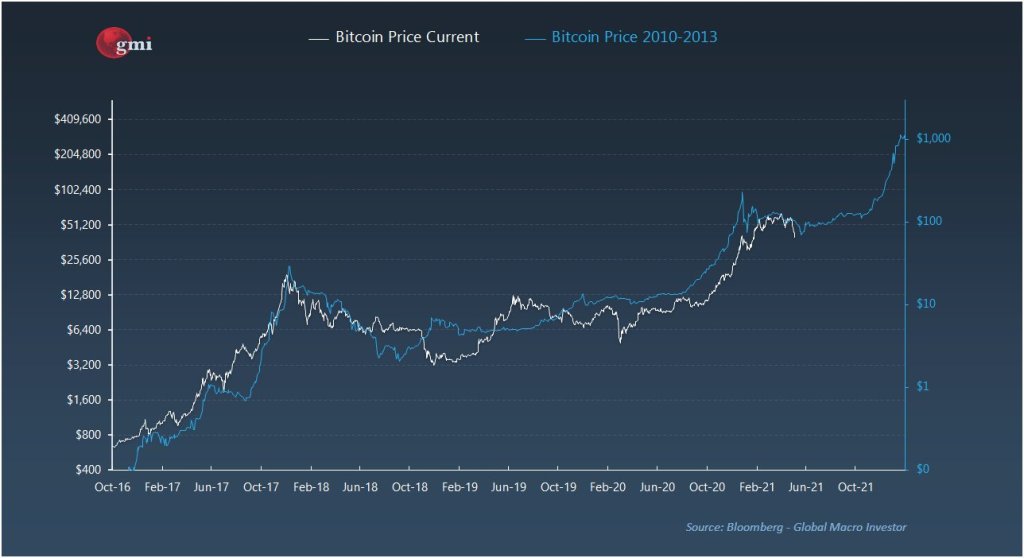
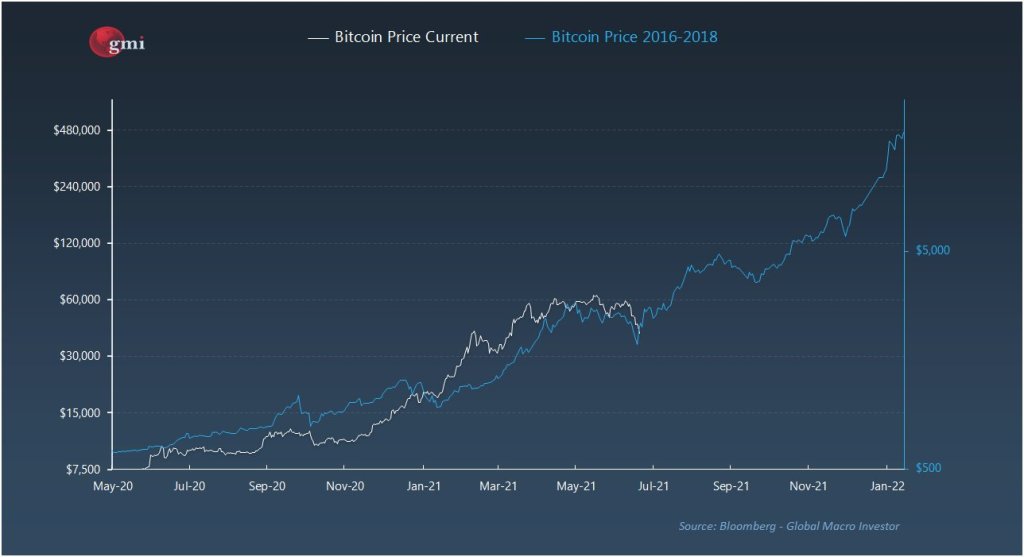
What I wish I had better understood during the 2017 bull market in crypto, and the subsequent bear market, is that it wasn’t the first time around the track. In fact, it happened in 2013. And now here we are in the 2021 bull market. Do you see a pattern here? The Bitcoin four yearly halvings generate a clear four year cycle. And as long as BTC leads the market, this cycle applies to other coins as well. The two graphs below compare the current bull market to those of 2013 and 2017.

Source: @raoulgmi
Source: @raoulgmi

I recommend reading this excellent post on the Bitcoin four year cycle. Understanding this is crucial to formulating an investment strategy for the years to come. Despite the current correction, we are now well and truly in Phase 1- the bull market! That’s why Bitcoin is in the news and every Elon Musk tweet moves the market. The Bitcoin bull market does not go straight up, there are usually a number of pullbacks, corrections and mini crashes. Bitcoin being in the news can be both positive and negative: It’s boiling the oceans, China is banning it, India too! Believe it or not, this is the fun part!

If you didn’t accumulate Bitcoin and/or other crypto in the last couple of years, then that’s a shame, but guess what? The next phase is the bear market. During this chilly crypto winter, BTC generally declines around 80% and Altcoins possibly more – and then comes your next chance to accumulate. If there is one thing I would like you to take away from this post it is this: If you learn about crypto in the months to come you are still early. I don’t think that dollar cost averaging and buying on dips (like the one now) this year is a bad idea, but be very careful with your sizing. It is not the time for FOMO (Fear Of Missing Out) and betting the ranch. A little skin in the game will give you motivation to study, but you need to think longer term. Step up the dollar cost averaging during phase 2,3 and 4 and 2025 is your target year for enjoying the good times!

I note that there is talk in some circles of a super-cycle. That is no 80% decline this time and the bull market continues. It sounds wonderful and there would be no complaints from me if it happened, but I am not convinced and am basing my planning on the 4 year cycle. What I could see perhaps happening is ETH and perhaps some of the DeFi coins decoupling from the Bitcoin cycle and going their own way. Only time will tell on that too.

Crypto and Japan

In 2017 Japan appeared to be positioning itself as a global leader in crypto regulation, and there was even one ICO issued by a regulated exchange in Japan. (Quoine, now known as Liquid’s Qash token) However, very little of note has happened since then. Hacks at Coincheck and Zaif probably didn’t help. Only a handful of crypto assets are available on Japan exchanges and there are no stablecoins on offer. If you are looking to invest in Altcoins or DeFi coins you will need an account overseas to do so. (FTX, Kraken etc.)

Moreover, the tax treatment of crypto gains in Japan is less than friendly. Gains should be reported as miscellaneous income and are taxed at your highest marginal rate, with the maximum of 55% often mentioned in reports. I would note here that your marginal rate depends on how much you earned in the previous year and, depending on your income you may pay significantly less than 55%. Here is a useful summary of the Japan tax treatment.

You should also note that there is no offset on losses as there is with stocks. This makes me think that the best strategy in Japan is to accumulate over time and hold for the longer term. (noting that crypto moves fast and long term could mean 3-5 years) Trading aggressively doesn’t really seem worth it, although some may disagree. I would be careful of this one major pitfall: making big gains in one coin, selling and creating a taxable event, and then moving them to another coin to try to make more money but actually making a big loss. You will still be liable for the gains from that first trade, even if you don’t actually have any of the money you made left…

One way around the tax issue is using funds, and ETFs when they are finally available. Grayscale’s trusts are taxed as stock, (so 20% on gains) and I imagine ETFs will be too. (you will need a US Brokerage account though)

So be careful on tax. That said, we are talking about an investment space with massive growth potential. If you accumulate during the bear market and sell during the bull cycle and actually bank the money you probably won’t be too unhappy about paying some tax.

So what should I do again?

Educate yourself. People will tell you to only invest in what you know, but if you aren’t expanding your range of knowledge you will be stuck with a rather narrow range of investments, and you could miss out on great opportunities. Yes, you should buy some and get a little skin in the game. It will encourage you to take notice of what is going on, but take it slowly. You may feel late to crypto, but we are still at the stage where one person’s tweets can move the market by 40%. It’s still early and there is plenty of opportunity. People often ask what percentage of their assets they should have in crypto, but I think you should size your positions according to your level of knowledge and conviction.

The other big part of crypto is learning to take responsibility. Don’t invest half of your life savings because of something you saw on Twitter. (or read on a blog!) Don’t leave your coins sitting on an exchange that could be hacked – learn how to self-custody and use cold storage. People have perhaps gotten too used to handing their money over to a third party and letting them look after it for them. Connect with people who know more than you do and learn from them, but make sure to go down the rabbit hole yourself. And if after that you are not convinced then that’s fine. It’s better to make an informed decision not to get involved than to just assume something is meaningless and miss the opportunity.

Below is a list of resources to get started. I may add to these from time to time.

That’s all I have for now. Best of luck and be curious!

Resources

Podcasts: What Bitcoin Did / The Pomp Podcast

Books: The Bitcoin Standard / The Internet of Money

People to follow: @100trillionusd / @woonomic @PrestonPysh / @raoulGMI / @CryptoHayes / @RussellOkung / @glassnode / @CaitlinLong_ / @zhusu

Detailed Overview of DeFi

NFTs and Their Use Cases

Article On Bitcoin Energy Consumption

Video Interview on Virtual Worlds- Earning Money in the Metaverse

The Crypto Fear and Greed Index – I have found this to be a much better indicator than price. Buy at extreme fear, and sell, or at least be cautious, when it’s at extreme greed!

Disclaimer: This should go without saying, but the information contained in this blog is not investment advice, or an incentive to invest, and should not be considered as such. This is for information only.

Online Coaching – Perfect Timing

allie-smith-KzUsqBRU0T4-unsplash

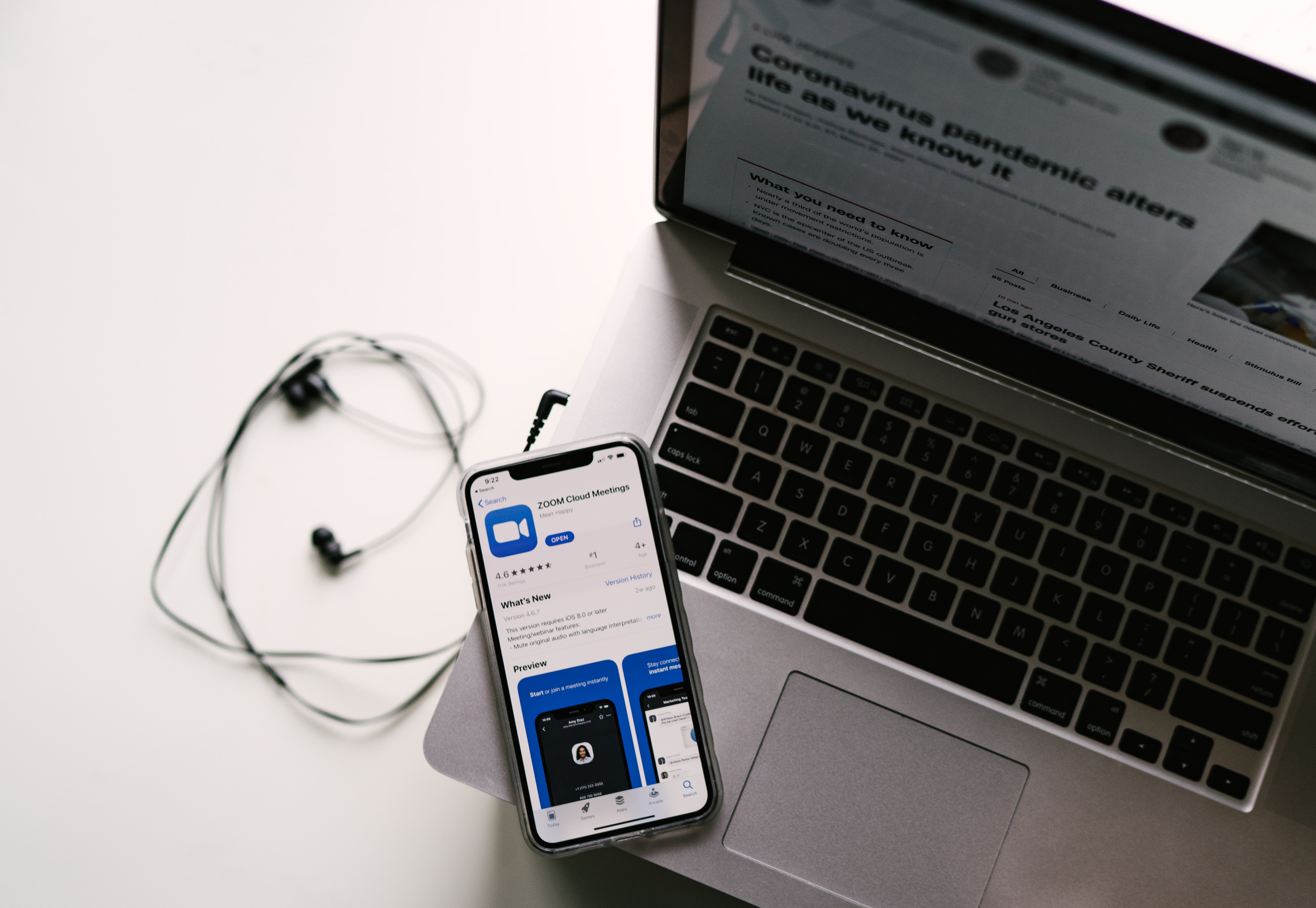
I hope everyone is safe and well in these difficult times. One thing you are probably doing is spending a lot more time at home. And with that comes a lot more time online, particularly using internet communication tools like Skype and Zoom.

You may have noticed that I offer personal finance coaching. This also includes online coaching, which was initially meant for people living outside the Kanto area, but is fast becoming the norm in these times of social distancing.

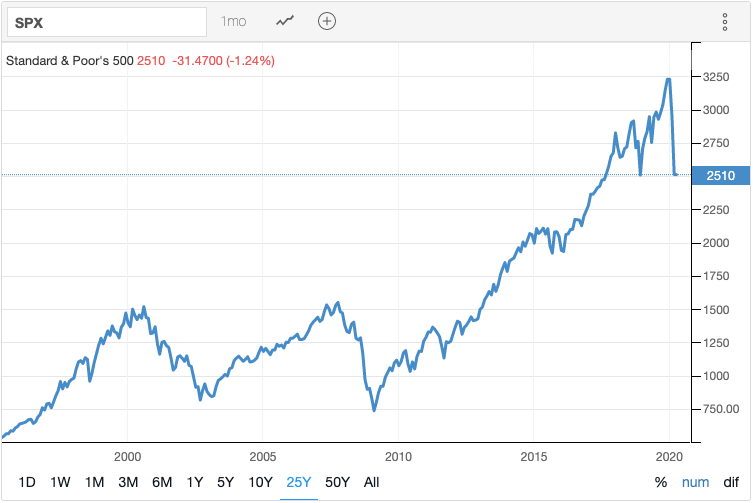
Now would be a great time to get your finances in order and take advantage of one of the best opportunities to invest you will see in years. Below is the 25 year chart of the S&P 500. You can see quite clearly the benefit of investing during severe market downturns in 2000 and 2008. Why not make use of the extra bandwidth you have and put some money to work for you?

Screen Shot 2020-03-30 at 12.03.33 PM
Source: https://tradingeconomics.com/

Among other things, I can help you figure out:

  • How much you have available to invest and how much you should be keeping in cash for emergencies.
  • What currency is best for you.
  • What kind of account would be right for you.
  • How to allocate when you get the account.
  • How to maintain your investments over the long run.

More information, including rates, is available here. If you would like to book a coaching session, or you have some questions before getting started, please get in touch with me via the Contact Form.

How to Get Rich (without getting lucky)

Naval

And now for something different… If you recognise the title of today’s post, you probably already follow Naval Ravikant. And if you don’t, I recommend checking out his work.

His tweetstorm on getting rich is pinned to his Twitter page, and has also been reproduced in pdf form here. There’s a lot of knowledge packed into a five minute read and I think I might be coming back to this again and again.

I’m not going to try to summarise Naval’s thoughts and work, because he is already incredibly concise. Check out his series of short podcasts on Youtube and you will see what I mean. You will also find more on his website here.

Enjoy!


Banking in Japan – Overseas Transfers

Terebi Madoguchi

I remember some 20 years ago, in a local bank in countryside Japan, spending a whole morning sending some money to my account back home to make a payment on my student loan. To say the process was complicated would be an understatement. I hate to say it, but if you tried to do the same thing from the same bank today, it probably wouldn’t be any easier! So here are a few things I have learned over the years, and some quite recently, on the art of making overseas bank transfers from Japan.

Firstly, if you can avoid doing it from a bank in the middle of the countryside, that probably doesn’t get a lot of call for overseas bank wires, then that will make things easier. I know not everyone lives in Central Tokyo but if you have a trip to a larger town or city planned, you might want to do your overseas banking then.

Secondly, you will need a lot of detail on the account you are sending to, including: bank name, bank address, beneficiary name, beneficiary address, account number, SWIFT code, and IBAN number if available. If it is not a bank account in your own name you will need to explain what the purpose of the transfer is. If you have documentation supporting this, such as an invoice, that will help. Oh and don’t forget your hanko! (chop / seal)

Recently banks are very sensitive about sending money to “third party” accounts. So if you have an investment with ABC company overseas and you are sending money to that company’s account so they can credit your investment account, it’s a good idea to have some kind of proof that you have an account with ABC. (like a copy of a statement) In some cases banks have still refused to send money to third parties if they are not on the Ministry of Finance’s list of accepted institutions…If this is the case I suggest sending to your own account overseas first, or setting up an overseas account for this purpose.

I haven’t researched the overseas transfer process for all banks in Japan. I bank with Tokyo Mitsubishi UFJ and I recently found that they have a few more options for executing transfers than previously:

At the counter: This is the old school method. You need to fill in the overseas transfer form with the details of the account you want to wire money to. If you are not used to it then you may need some help filling in the form. You may also need some Japanese language ability or a translator to talk to the staff. Cost 4,500 yen.

At the “Terebi Madoguchi”: You may notice that your bank now has a little cubicle equipped with a computer screen and phone inside. This is not a tardis-like time machine, although you may be in there a while the first time! You can input the transfer details into the computer and talk to staff on the phone if you get stuck. This is likely to require some pretty advanced Japanese skills or help from a native speaker, but if you are able to work it all out it you can save 1,000 yen per transfer. Cost 3,500 yen. Transfer limit of 5 million yen.

Online registration: Instead of writing the transfer details on the form by hand, you can register them first online and then print and take to the counter. This allows you to save the transfer details for future use, so it could be handy if you send money to the same account regularly. Cost 3,500 yen.

Transfer through online banking: If you have never used Japanese online banking then this one is for the patient only. The process is as follows:

  • Register the transfer details on online banking
  • Bank will request supporting documentation, such as your ID / My Number
  • Send documents back to the bank by post
  • Once registered you can login and send money from the comfort of your home
  • Takes around 2 weeks to set up
  • Cost 2,500 yen per transfer. Transfer limit of 1 million yen per day and 5 million yen per month

I would be interested to hear if anyone has experience with other banks in Japan. I understand that Shinsei bank has online banking in English, and has a GoRemit service with a charge of 2,000 yen per remittance. Could be the way to go for newcomers!


Video: How The Economic Machine Works by Ray Dalio

If you are more than a little confused by economic news these days, then this 30 minute animated video by Ray Dalio should help clear things up. Learn about credit, debt cycles, interest rates and the role of government and central banks. More importantly it helps us understand where we are economically today:

Inspiration and information

silhouette-1632912_640

If you are serious about attaining financial freedom and peace of mind, I encourage you to read and study as much as possible. Below are some recommendations; some classic, some ultra-modern, to help you get started. Feel free to share any good books you have read on the subject:

Think and Grow Rich: The Original, an Official Publication of The Napoleon Hill Foundation

– A classic on personal development and personal improvement. I would encourage just about everyone to read this book.

Rich Dad Poor Dad: What The Rich Teach Their Kids About Money That the Poor and Middle Class Do Not!

– Another long seller. Learn the difference between working for money and having your money work for you.

Rich Dad's Cashflow Quadrant: Rich Dad's Guide to Financial Freedom

– Not as well known as Rich Dad Poor Dad, however I think it’s a better book. It certainly changed my outlook on working for income vs owning and investing in businesses.

Unshakeable: Your Financial Freedom Playbook

– Brand new and right up to date. Tony Robbins teaches how to invest safely in this modern, unpredictable era. With insights from some of the world’s top investors and business minds. At 256 pages, this is pretty much bite-size by Tony Robbins standards.

MONEY Master the Game: 7 Simple Steps to Financial Freedom

– And here’s the long version. At 688 pages there isn’t much that has been left out of this one…